





Disabled Parking Permit Victoria Application Form: A Comprehensive Guide (Updated April 21, 2026)
HandicapMD recently launched a detailed guide, assisting patients and families navigating Victoria’s disabled parking permit application process, offering clarity and support.
Victorian Disabled Parking Permits aim to enhance mobility and independence for individuals with significant disabilities, granting access to convenient parking spaces closer to destinations. These permits are crucial for those whose mobility is severely restricted, enabling participation in daily activities.
HandicapMD’s new guide simplifies the application process, addressing common concerns and providing a clear understanding of eligibility criteria. Obtaining a permit involves a medical assessment and adherence to VicRoads regulations, ensuring fair access for those genuinely in need. This support empowers applicants throughout the process.
Eligibility Criteria for a Disabled Parking Permit
Eligibility for a Victorian Disabled Parking Permit isn’t solely based on a medical diagnosis; it centers on the impact of a disability on mobility. Applicants must demonstrate a significant and permanent or long-term impairment affecting their ability to walk.
HandicapMD’s guide clarifies that the assessment considers the distance a person can walk before needing rest, not just whether they use a mobility aid. Meeting these criteria, verified by a registered medical practitioner, is essential for a successful application.
Qualifying Medical Conditions
Numerous medical conditions can qualify individuals for a Victorian Disabled Parking Permit, but a diagnosis alone isn’t sufficient. Conditions frequently considered include neurological disorders, severe arthritis, significant vision impairment, and cardiovascular diseases impacting mobility.
HandicapMD’s resource emphasizes that the focus is on functional limitations caused by the condition. Respiratory illnesses, amputations, and other impairments substantially reducing walking ability are also often qualifying factors, requiring thorough medical assessment.
Severity of Disability Assessment
The assessment isn’t based solely on a medical diagnosis; VicRoads evaluates the impact of the condition on an individual’s mobility. A registered medical practitioner must detail how the disability affects walking distances, even with mobility aids.
HandicapMD highlights that the assessment considers the ability to safely navigate parking areas and access facilities. The severity must demonstrably meet the criteria for permit eligibility, focusing on functional limitations.
Permanent vs. Temporary Disability
VicRoads issues permits based on the duration of the disability. A permanent permit is granted for long-term conditions with no expectation of significant improvement. Temporary permits, conversely, are issued for conditions expected to resolve within a defined timeframe.
HandicapMD emphasizes the importance of accurate medical documentation supporting the predicted duration. Temporary permits require periodic re-assessment to confirm ongoing eligibility, ensuring appropriate access is maintained.
Types of Disabled Parking Permits Available in Victoria
Victoria primarily offers a standard Disabled Parking Permit, allowing access to designated parking spaces throughout the state. Additionally, individuals with vehicle modifications supporting their disability may qualify for concessional registration, reducing associated costs.
HandicapMD’s guide clarifies that permit types are determined by individual needs and medical assessments. Understanding these options is crucial for a successful application, maximizing accessibility benefits.
Standard Disabled Parking Permit
The standard Disabled Parking Permit in Victoria grants holders access to designated parking zones across the state, promoting independence and convenience. HandicapMD emphasizes this permit’s broad acceptance, facilitating easier access to essential services and locations.
This permit is the most common type issued, requiring a thorough medical assessment to verify eligibility. Proper display, as outlined by VicRoads, is vital for legal and effective use.
Concessional Registration for Vehicles with Modifications
Victorian motorists with disabilities who modify their vehicles may qualify for concessional registration, reducing annual vehicle costs. This benefit acknowledges the expenses associated with adapting vehicles for accessibility, as highlighted by resources like HandicapMD.
Eligibility requires both a valid Disabled Parking Permit and documented proof of vehicle modifications. Applying for this concession streamlines the financial burden, supporting independent mobility for permit holders.
The Application Process: Step-by-Step
Applying for a Victorian Disabled Parking Permit involves a structured process. First, obtain Form TA109. Next, gather required documentation – proof of identity, vehicle registration, and a completed medical assessment from a registered practitioner, as HandicapMD details.
Submit the completed application via mail or in-person to VicRoads. Processing times vary, and fees apply. Successful applicants receive their permit, enabling access to designated parking spaces.
Obtaining the Application Form (Form TA109)
Form TA109, the core document for a Victorian Disabled Parking Permit, is readily accessible through several avenues. Applicants can download it directly from the VicRoads website. Alternatively, physical copies are obtainable from VicRoads customer service centers across Victoria.
HandicapMD suggests confirming you have the most current version of the form before commencing the application, ensuring a smooth and efficient process. Digital access offers convenience, while physical copies suit those preferring a tangible format.
Required Documentation
A complete application for a Victorian Disabled Parking Permit necessitates several key documents. Primarily, a completed Form TA109 is essential, alongside a recent medical assessment completed by a registered practitioner. Proof of identity, such as a driver’s license or passport, is also mandatory.
Furthermore, applicants must provide vehicle registration details. HandicapMD emphasizes gathering all documentation before starting the application to avoid delays and ensure a streamlined submission process, maximizing approval chances.
Medical Assessment Form Completion by a Registered Medical Practitioner
The medical assessment is central to the Victorian Disabled Parking Permit application. A registered medical practitioner must thoroughly complete the form, detailing the applicant’s disability and its impact on mobility. Accurate and detailed responses are crucial for a successful outcome.
HandicapMD stresses the importance of selecting a practitioner familiar with the assessment criteria, ensuring all sections are addressed comprehensively, supporting the permit application effectively.
Proof of Identity
Submitting valid proof of identity is a mandatory step in the Victorian Disabled Parking Permit application. Acceptable documents typically include a current driver’s license, passport, or government-issued photo identification card.
VicRoads requires this verification to confirm the applicant’s eligibility and prevent fraudulent applications. Ensure the provided identification is original or a certified copy, clearly displaying the applicant’s name and photograph.
Vehicle Registration Details
Accurate vehicle registration details are crucial for linking the permit to a specific vehicle authorized for disabled parking privileges in Victoria. Applicants must provide the current vehicle registration certificate, clearly showing the vehicle’s registration number, make, and model.
VicRoads utilizes this information to ensure the permit is correctly associated with a registered vehicle and to enforce parking regulations effectively. Any discrepancies may cause application delays.
Finding a Registered Medical Practitioner
Securing assessment from a Registered Medical Practitioner is a vital step. Applicants need a doctor authorized to complete the necessary medical assessment form (TA109) for VicRoads. Not all doctors are approved; verification is essential.
VicRoads maintains a list of approved professionals, and contacting them directly or utilizing online search tools can help locate a suitable practitioner nearby, streamlining the application.
VicRoads Approved Medical Professionals
VicRoads specifies that assessments must come from registered medical practitioners they approve. This ensures consistent and reliable evaluations of disability severity for permit eligibility. Utilizing a non-approved doctor will likely cause application delays or rejection.
Applicants should verify a practitioner’s approval status before their assessment. VicRoads provides resources to locate these professionals, facilitating a smoother application process and minimizing potential complications.
Specialist vs. General Practitioner Assessments
VicRoads generally accepts assessments from both Specialists and General Practitioners (GPs), however, the complexity of the condition often dictates the preferred assessor. For straightforward cases, a GP assessment is usually sufficient.
More complex or less obvious disabilities frequently require a Specialist’s evaluation to provide a comprehensive understanding of functional limitations. VicRoads may request a Specialist assessment if the initial GP report lacks sufficient detail.
Completing the Medical Assessment Form
Accurate completion of the medical assessment form (TA109) is crucial for a successful application. Registered Medical Practitioners must thoroughly address all sections, detailing the nature of the disability and its impact on mobility.
Ensure responses are specific and avoid vague statements. Clearly articulate how the disability affects the applicant’s ability to walk distances, even with mobility aids. Detailed explanations significantly improve application processing times.
Understanding the Assessment Questions
The medical assessment form focuses on functional limitations impacting mobility. Questions explore walking distances, ability to navigate uneven terrain, and reliance on assistive devices like wheelchairs or walkers.
Practitioners should interpret questions considering the applicant’s ‘worst-day’ functionality, not just their average capacity. Honest and comprehensive answers detailing these limitations are vital for VicRoads to accurately assess eligibility for a permit.
Ensuring Accurate and Detailed Responses
Completing the form requires meticulous attention to detail; vague responses can cause delays or denial. Applicants should provide specific examples illustrating their mobility challenges, detailing how their condition impacts daily activities.
Supporting medical documentation strengthens the application. Practitioners must clearly articulate the functional impact of the disability, linking it directly to the assessment questions. Accuracy and thoroughness are paramount for a successful outcome.
Submitting Your Application
Completed applications, alongside all required documentation, can be submitted to VicRoads through several convenient methods. Traditionally, mail and in-person submissions were standard, offering a physical record of application.

However, applicants should verify if online submission options are currently available via the VicRoads website, as digital processes evolve. Retain copies of all submitted materials for personal records, ensuring a smooth process and easy reference if needed.

Submission Methods (Mail, In-Person, Online ⎯ if available)
For mail submissions, send your completed form and supporting documents to the address specified on the VicRoads website. In-person submissions are accepted at designated VicRoads customer service centers throughout Victoria.
Crucially, applicants must check the official VicRoads website for the most up-to-date information regarding online application availability, as digital options may change. Always confirm the correct submission address before mailing.
VicRoads Contact Information for Application Support
Applicants needing assistance with their Victorian disabled parking permit application can contact VicRoads directly. Their dedicated helpline provides guidance on form completion and required documentation.
For general inquiries, visit the official VicRoads website, which features a comprehensive FAQ section and online support resources. Ensure you have your application details ready when contacting support for efficient assistance. Contact information is readily available online.
Application Processing Timeframes
VicRoads aims to process disabled parking permit applications as efficiently as possible, however, processing times can vary. Typically, applicants can expect a processing timeframe of several weeks from the date of complete application submission.
Factors influencing processing time include the volume of applications received and the need for further medical assessment. Regularly checking application status online, if available, is recommended. Patience is appreciated during this evaluation period.
Permit Fees and Costs
Currently, the Victorian Disabled Parking Permit itself is issued free of charge to eligible individuals. However, associated costs may apply, particularly regarding vehicle registration. Concessional registration is available for vehicles modified to accommodate a disability.
These modifications can attract registration fee reductions. Standard vehicle registration fees still apply if no modifications are present. Applicants should verify current fee schedules directly with VicRoads for accurate cost information.
Displaying Your Disabled Parking Permit
Proper display of your Victorian Disabled Parking Permit is crucial when utilizing designated parking spaces. The permit must be clearly visible, hanging from the rearview mirror, ensuring all details are readily readable. Obstructed views, such as tinted film, are prohibited.
Ensure the permit isn’t covered or obscured in any way. Failure to comply with visibility requirements may result in fines or invalidation of parking privileges.
Correct Placement of the Permit
Victorian regulations mandate that the Disabled Parking Permit be hung from the vehicle’s rearview mirror. It must be positioned so all details – permit number, expiry date, and issuing authority – are clearly visible to an observer outside the car;
Avoid placing the permit anywhere else, like the dashboard, as this is considered non-compliant. Correct placement ensures enforcement officers can easily verify permit validity and prevent misuse.
Permit Visibility Requirements
To ensure legitimate use and avoid penalties, the Victorian Disabled Parking Permit must be consistently visible. Obstructed views – due to dirt, damage, or intentional covering – are considered violations. The permit’s details, including the holographic features, need to be readily identifiable.
Regularly check the permit’s condition and cleanliness. Any tampering or alteration renders the permit invalid, potentially leading to fines and revocation of parking privileges.
Rules and Regulations for Using Disabled Parking Spaces
Victorian regulations strictly govern the use of designated disabled parking spaces. Permits are non-transferable; only the person with the disability, or someone actively assisting them, may utilize the space. Parking is permitted only while conducting business directly related to the disability.
Misuse, including allowing unauthorized individuals to park, results in substantial fines and potential permit revocation; Always adhere to time limits and parking signage.
Authorized Users of the Permit
The permit holder is the primary authorized user, benefiting from accessible parking due to their diagnosed disability. However, Victorian regulations allow a second individual – a caregiver or someone actively assisting the permit holder – to utilize the permit on their behalf.
This assistance must be directly related to the permit holder’s disability, ensuring access during essential activities. Unauthorized use by anyone else is strictly prohibited and subject to penalties.
Penalties for Misuse
Misusing a disabled parking permit in Victoria carries significant consequences. Unauthorized use, including lending the permit to ineligible individuals, results in substantial fines – currently exceeding several hundred dollars. VicRoads actively enforces these regulations, with parking officers routinely monitoring designated spaces.
Repeat offenses can lead to permit cancellation and even legal prosecution. It’s crucial to understand and adhere to the rules, ensuring accessible parking remains available for those who genuinely need it.
Renewing Your Disabled Parking Permit
Renewing a Victorian disabled parking permit requires a proactive approach before its expiration date. VicRoads sends renewal notices, but applicants are responsible for initiating the process. This involves a re-assessment by a registered medical practitioner to confirm ongoing eligibility.
The renewal application mirrors the initial application, demanding updated medical documentation and proof of identity. Timely renewal prevents service interruption and ensures continued access to designated parking spaces.
Renewal Application Process
The renewal process closely resembles the initial application for a Victorian disabled parking permit. Applicants must obtain a current Form TA109 and undergo a fresh medical assessment by a VicRoads-approved practitioner. Updated proof of identity and vehicle registration details are also essential.
Completed forms, along with supporting documentation, can be submitted via mail or in person. Allow sufficient processing time to avoid any lapse in permit validity, ensuring uninterrupted access to accessible parking.
Medical Re-assessment Requirements
VicRoads mandates a medical re-assessment for permit renewals to confirm the ongoing qualifying disability. This assessment, conducted by a registered medical practitioner, evaluates the applicant’s current functional capacity and its impact on mobility. The Form TA109’s medical section must be thoroughly completed.
The re-assessment isn’t simply a formality; it ensures the permit remains appropriate for individuals with continuing, significant mobility limitations, upholding the integrity of the scheme.
Reporting a Lost or Stolen Permit
VicRoads requires immediate reporting of lost or stolen permits to prevent misuse. Prompt notification minimizes potential fraudulent activity and safeguards the privileges intended for legitimate permit holders. You can report via the VicRoads website or by contacting their helpline directly.
A replacement permit will be issued, potentially incurring a fee, following verification and processing of the report. Maintaining vigilance protects the integrity of the scheme.
Appeals Process for Denied Applications
If your Victorian Disabled Parking Permit application is denied, you have the right to appeal the decision. VicRoads provides a formal appeals process, requiring a written submission outlining the reasons for disagreement with the initial assessment.
Supporting medical documentation and any additional relevant information should be included. The appeal will be reviewed by a separate assessor, ensuring impartiality and a thorough re-evaluation of your case.
Changes to Circumstances – Notifying VicRoads
Victorian permit holders must inform VicRoads of any significant changes impacting their eligibility. This includes alterations to their medical condition, a change of address, or if the vehicle registered to the permit is sold or no longer used.
Failure to promptly notify VicRoads could result in permit suspension or revocation. Updates can be submitted via mail, in-person, or potentially online, depending on available services.
Resources and Support Services
VicRoads provides a comprehensive website and dedicated helpline for permit inquiries, offering guidance throughout the application and renewal processes. HandicapMD also offers educational resources to simplify understanding of the Victorian system.
Numerous disability support organizations across Victoria can provide assistance with form completion, medical documentation, and navigating the broader accessibility landscape. These services aim to empower applicants and ensure equitable access.
VicRoads Website and Helpline
VicRoads’ official website is the primary source for all permit-related information, including downloadable forms (TA109), eligibility criteria, and detailed guidelines. The site features a dedicated section for disability parking, ensuring easy access to crucial resources.
Their helpline offers direct support, answering applicant questions and providing personalized assistance. HandicapMD complements this by offering simplified explanations of complex processes, bridging the gap for those needing extra clarity.

Disability Support Organizations in Victoria
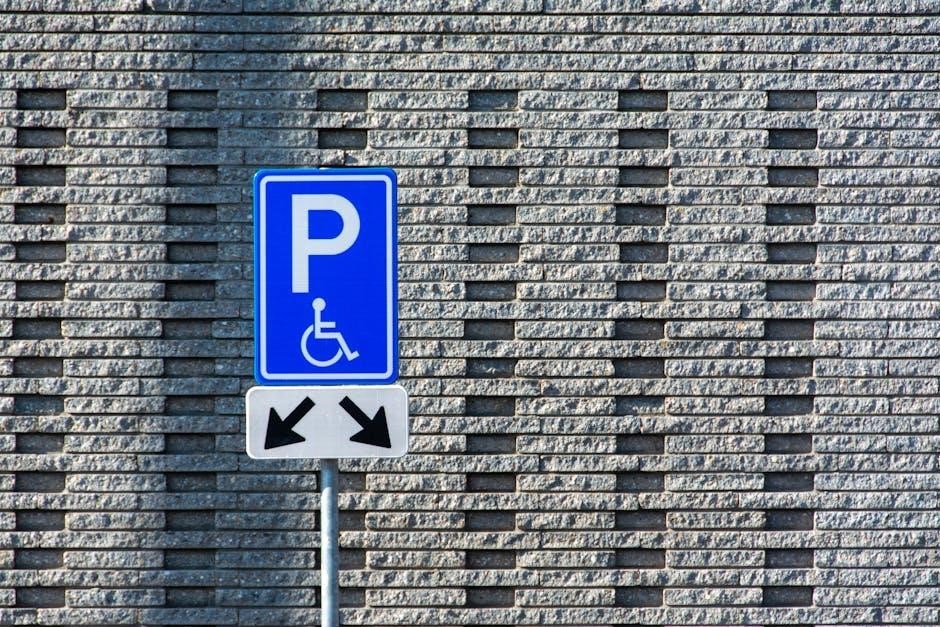
Numerous Victorian organizations offer invaluable assistance to individuals navigating the disabled parking permit application. These groups provide advocacy, guidance, and support throughout the process, ensuring applicants understand their rights and responsibilities.
HandicapMD recognizes the importance of these resources, often directing applicants to relevant organizations for personalized help. They can assist with form completion, medical documentation, and understanding VicRoads’ requirements, easing the burden on applicants.
Understanding the Victorian Parking System
Navigating Victoria’s parking regulations is crucial for permit holders. Designated disabled parking spaces are strategically located for accessibility, but understanding their specific rules is vital to avoid penalties. HandicapMD’s guide emphasizes the importance of knowing where permits are valid and adhering to time limits.
Familiarizing oneself with the system ensures smooth parking experiences and supports the intended purpose of accessible parking – enabling independent mobility for individuals with disabilities throughout Victoria.
Common Mistakes to Avoid on the Application Form
Applicants frequently encounter issues with incomplete forms or insufficient medical documentation. HandicapMD highlights the necessity of thoroughly reviewing all sections before submission, ensuring all required fields are accurately completed. A common error involves vague responses from medical practitioners; detailed explanations of the disability’s impact are essential.

Double-checking vehicle registration details and proof of identity prevents delays, streamlining the application process and increasing approval chances.
The Role of VicRoads in Permit Administration
VicRoads serves as the central authority for managing disabled parking permits in Victoria, overseeing the entire application process from initial submission to permit issuance and renewal. They are responsible for verifying eligibility criteria, assessing medical documentation, and maintaining a comprehensive database of permit holders.
Furthermore, VicRoads enforces regulations regarding permit usage and addresses appeals related to application denials, ensuring fair and consistent administration.
Recent Updates to Disabled Parking Regulations (as of April 21, 2026)
As of April 21, 2026, while specific regulatory changes weren’t detailed in the provided source, HandicapMD’s new guide signals an increased focus on patient education regarding the application process. This suggests a potential shift towards proactive support and clearer guidance for applicants.
Continued monitoring of VicRoads’ official announcements is crucial for staying informed about any formal amendments to permit criteria or procedures.
Frequently Asked Questions (FAQs)
Common inquiries surrounding the Victorian Disabled Parking Permit often relate to eligibility criteria, required documentation, and the assessment process. HandicapMD’s new educational guide directly addresses these concerns, aiming to simplify the application journey for individuals and their families.
Further FAQs likely cover renewal procedures, lost permit reporting, and understanding usage regulations. VicRoads remains the primary source for definitive answers.
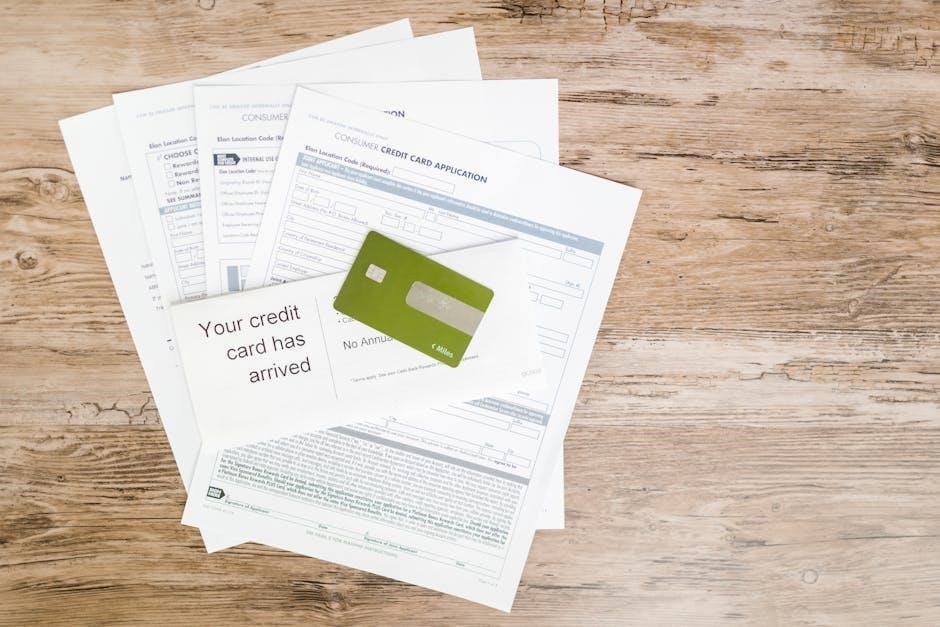
Future Changes to the Application Process (Potential)
Speculation suggests potential streamlining of the Victorian Disabled Parking Permit application, possibly incorporating fully digital submissions and enhanced online support resources. HandicapMD anticipates VicRoads may explore integrating telehealth options for initial medical assessments, improving accessibility.
Further anticipated changes could involve updated eligibility guidelines reflecting evolving medical understanding and a more user-friendly application portal.
Successfully navigating the Victorian Disabled Parking Permit application process is crucial for individuals requiring accessible parking. HandicapMD’s guide aims to empower applicants with the knowledge needed for a smooth experience.
Accessible parking isn’t merely a convenience; it’s fundamental for independent living and community participation, ensuring all Victorians can access essential services and opportunities with dignity and ease.