






Overview of Credit Card Processing
Credit card processing turns a swipe into a transfer, linking the customer, merchant, card network, and bank. Transactions flow through authorization, clearing, and settlement, each step governed by interchange fees and processor rules. Understanding this flow helps merchants manage costsly and compliance.

Key Players in the Payment Ecosystem
Acquirers, issuers, gateways, processors, and networks collaborate to move funds. Acquirers host merchant accounts, issuers issue cards, gateways route data, processors handle authorization, and networks settle final balances. Each role shapes fees, speed, and security. This overview the ecosystem now.
Acquirers, Issuers, and Intermediaries
Acquirers are the merchant’s banking partner, responsible for underwriting, account maintenance, and settlement of card payments. They receive transaction data from processors, apply interchange and markup fees, and forward funds to the merchant’s account. Issuers issue credit and debit cards, authorize transactions, manage limits, and handle disputes. Intermediaries—gateways, processors, and card networks—connect the system, capturing details, routing to issuers, and returning authorizations. Card networks (Visa, MasterCard, AmEx, Discover) provide infrastructure for routing, settlement, and fraud protection. Together, these entities form a complex ecosystem that ensures a customer’s swipe, dip, or tap results in a timely, secure transfer of funds.
Acquirers offer fraud monitoring, charge‑back management, and reporting dashboards. Issuers enforce PCI DSS and may provide rewards programs. Intermediaries maintain encryption and tokenization to safeguard data. The interplay between these players determines merchant costs, settlement speed, and customer experience. Merchants must evaluate each partner’s fee schedule, contract terms, and integration capabilities to optimize payment strategy. The final settlement amount reflects the cumulative effect of interchange, network, and processor fees. Merchants should negotiate transparent rate structures to avoid hidden costs.
In many cases, acquirers also provide merchant‑friendly tools such as integrated payment terminals, mobile SDKs, and loyalty program integrations. Issuers, meanwhile, collaborate with card networks to set interchange rates that reflect card type, transaction value, and risk profile. Intermediaries must adhere to stringent security protocols, including end‑to‑end encryption, tokenization, and regular vulnerability scans, to meet PCI DSS Level 1 requirements. The synergy of these roles not only determines the fee structure but also shapes the reliability, speed, and security of every transaction a merchant processes.
Payment Gateways and Processors
Payment gateways act as the digital bridge between a merchant’s website or point‑of‑sale system and the card network, capturing card data, encrypting it, and routing it to the appropriate processor for authorization. They provide APIs, SDKs, and webhooks that enable real‑time transaction handling, fraud scoring, and tokenization. Gateways typically support multiple payment methods—credit, debit, ACH, e‑wallets—and integrate with shopping carts, mobile apps, and in‑store terminals.

Processors, on the other hand, are the back‑end engines that execute the transaction flow. After a gateway forwards the transaction, the processor contacts the issuing bank, applies interchange and network fees, and returns an approval or decline. They also manage settlement, batch processing, and charge‑back handling. Processors may offer flat‑rate, interchange‑plus, or tiered pricing models, each with distinct implications for cost transparency and volume discounts.
Choosing the right gateway and processor combination is critical for speed, reliability, and cost efficiency. Key considerations include API stability, latency, support for recurring billing, and compliance with PCI DSS Level 1. Many modern solutions bundle gateway and processor services, simplifying integration and reporting. However, merchants should evaluate whether a single‑vendor stack or a split‑vendor approach better aligns with their risk tolerance, technical resources, and growth trajectory.
The integration of gateways and processors must be smooth to avoid sale failures and ensure a client experience. now!!
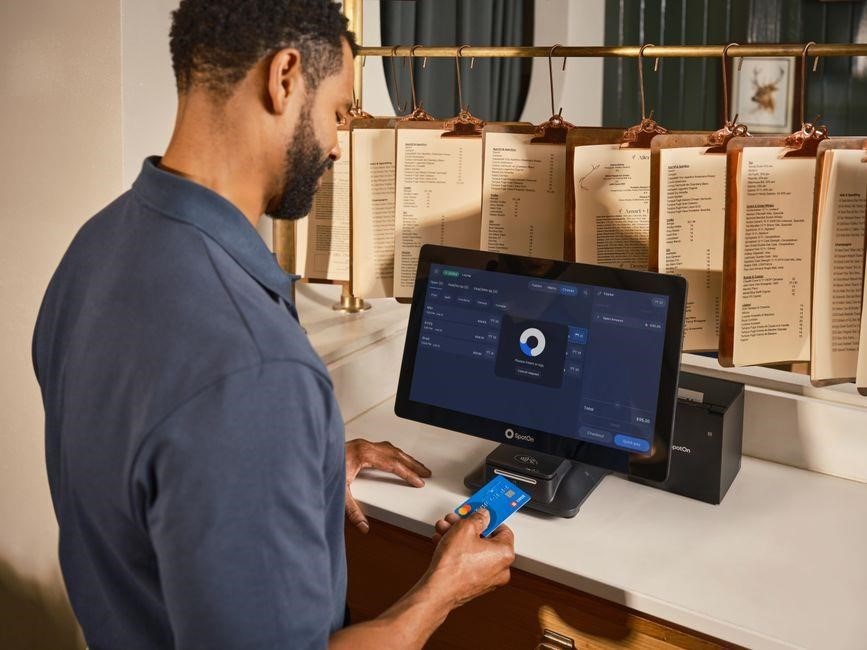
Types of Merchant Accounts
Merchant accounts come in two main flavors: traditional (merchant‑specific) and hosted (shared). Traditional accounts offer lower interchange but require underwriting, while hosted accounts provide instant approval, higher rates, and are ideal for low‑volume or mobile businesses.
Ideal for startups e‑commerce.
Traditional vs. Flat-Rate Accounts
Traditional merchant accounts, also known as “merchant‑specific” or “dedicated” accounts, are tied to a single business entity and typically require a thorough underwriting process. These accounts offer lower interchange rates because the processor can negotiate directly with card issuers, but they come with a minimum monthly fee, a higher markup on each transaction, and a more complex fee structure that includes interchange, assessment, and processor fees. The advantage is that businesses with higher volume or higher average transaction values can benefit from lower overall costs if they meet the underwriting criteria.
Flat‑rate accounts, on the other hand, bundle all fees into a single, fixed percentage of the transaction amount. This model eliminates the need for separate interchange and markup calculations, making it easier for merchants to predict costs. Flat‑rate processors typically charge a higher percentage than traditional rates, but they offer instant approval, no monthly minimums, and no hidden fees. They are ideal for small‑to‑medium businesses, e‑commerce sites, and mobile vendors that want simplicity and speed over cost savings.
Choosing between the two depends on volume, average ticket size, risk tolerance, and the need for transparency. High‑volume merchants often prefer traditional accounts to leverage lower interchange, while low‑volume or new businesses often opt for flat‑rate for its quick setup and predictable pricing.
This knowledge helps merchants choose the most cost‑effective model. Now!?.

Understanding Fees and Charges
Fees in card processing break into interchange, assessment, and processor markup. Interchange is set by card networks and varies by card type. Assessment fees are a small percentage of each transaction. Processor markup is the additional charge the merchant pays to the processor. Fees vary by card type andUS.
Interchange and Markup Rates
Interchange fees are the primary cost drivers in card processing, set by the card networks (Visa, MasterCard, AmEx, Discover) and vary by card type, transaction channel, and risk profile. For consumer debit, interchange can be as low as 0.10% to 0.20%, whereas premium rewards cards may incur 1.50% or higher. Merchants also face assessment fees—small percentages (typically 0.13% to 0.15%) levied by the networks on every transaction. The remaining portion of the cost is the processor’s operating expenses and profit margin. Markup rates can range from 0.10% to 0.50% of the transaction amount, depending on the processor’s pricing model, volume, and the negotiated agreement. For small merchants, flat‑rate processors bundle interchange and markup into a single percentage, often around 2.50% to 3.50%, simplifying budgeting but usually costing more than a tiered model. High‑volume merchants can negotiate lower interchange spreads and tighter markup rates, sometimes achieving total costs below 1.50%. Understanding the breakdown of interchange, assessment, and markup helps merchants compare offers, forecast expenses, and identify opportunities to reduce swipe fees through volume growth, card type selection or switching processors. By monitoring interchange spreads and negotiating processor markups, merchants can fine‑tune their fee structure, reducing the average cost per transaction from 2.8% to below 1.4%, preserving profit margins and enabling competitive pricing while staying compliant with evolving payment regulations now.

The Transaction Lifecycle Explained
When a card is presented, the merchant’s terminal sends an authorization request to the processor, which forwards it to the card network. The network routes it to the issuer, which approves or declines. Approved funds are held in a reserve, then cleared and settled into the merchant’s account days later end.!!
Authorization, Clearing, and Settlement Stages
During the authorization stage, the merchant’s point‑of‑sale system captures the card data and transmits an electronic request to the acquiring processor. The processor forwards the request to the card network (Visa, MasterCard, etc.), which then routes it to the issuing bank. The issuer evaluates the transaction against the cardholder’s available credit, fraud rules, and other risk parameters. If the transaction passes, the issuer returns an approval code, and the processor sends this back to the merchant, allowing the sale to complete. If the issuer declines, the merchant receives a decline message and the customer must choose an alternate payment method.
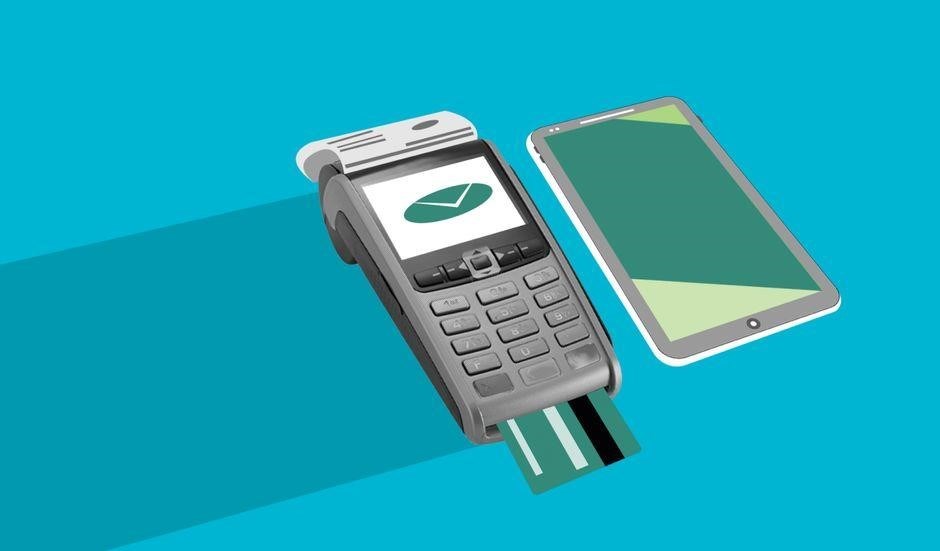
Once authorized, the transaction enters the clearing phase. The processor aggregates all authorized transactions over a defined settlement period—often daily or weekly—and submits a batch to the card network. The network reconciles the batch, calculates interchange fees, and forwards the net amount to the acquiring processor. The processor then credits the merchant’s account, less its markup and any applicable fees. This clearing step is critical for ensuring that the correct amounts are transferred between the issuer, network, and acquirer.
The final settlement stage involves the actual movement of funds. After the clearing process, the issuer’s bank debits the cardholder’s account and transfers the net amount to the acquiring bank. The acquiring bank then deposits the funds into the merchant’s bank account, typically within one to two business days. Throughout this cycle, the processor may hold a small reserve to cover potential chargebacks or disputes. Understanding each of these stages—authorization, clearing, and settlement—helps merchants anticipate timing, manage cash flow, and negotiate more favorable processing terms.

Security Standards and PCI Compliance

PCI DSS mandates secure handling of card data. Merchants must encrypt transmissions, maintain firewalls, restrict access. Regular vulnerability scans annual assessments ensure compliance, protecting against breaches safeguarding consumer trust. Annual audits enforce security, fines $50k for breaches now. !!!!!
PCI DSS Requirement Levels
PCI DSS categorizes merchants into four tiers based on annual transaction volume and risk exposure. Level 1, the highest tier, covers merchants processing more than 6 million cards per year or those who have experienced a data breach. Level 2 includes 1 million to 6 million transactions, while Level 3 spans 20 000 to 1 million. Level 4 is for merchants handling fewer than 20 000 transactions annually, typically small retailers or service providers. Each level dictates specific compliance obligations: Level 1 requires a quarterly network scan, annual on‑site assessment, and a comprehensive vulnerability scan; Level 2 mandates quarterly scans and an annual self‑assessment questionnaire; Level 3 requires quarterly scans and an annual questionnaire; Level 4 only necessitates an annual questionnaire. In addition, all merchants must maintain a secure network, encrypt cardholder data, implement strong access controls, and monitor and test security systems. Failure to meet the designated level’s requirements can result in fines, higher interchange fees, or even loss of merchant account status. Therefore, accurately determining your merchant level and adhering to its prescribed security protocols is essential for protecting cardholder data and sustaining business operations. Compliance also requires regular penetration testing and maintaining a documented incident response plan to swiftly address any security incidents. Merchants should also ensure that any third‑party service providers meet PCI DSS requirements and that employees receive ongoing security training. By rigorously following the level‑specific mandates, merchants can mitigate risk, reduce the likelihood of costly breaches, and maintain customer trust.
Strategies to Optimize Processing Costs
Choose a processor that matches volume, negotiate interchange, bundle fees, use flat‑rate for low volume, monitor swipe rates, and leverage data analytics to spot high‑cost patterns. solutions, avoid hidden surcharges, and audit quarterly to keep margins healthy!! .
Selecting the Right Processor for Your Volume
When choosing a processor, match your annual transaction volume to the fee structure that best fits your business size. If you process less than $250,000 a year, a flat‑rate provider such as Square or PayPal can offer a simple, predictable fee and a quick approval cycle. These platforms typically charge a single percentage plus a fixed fee per swipe, avoiding the complex markup negotiations that larger merchants face. For volumes above $250,000, a tiered or interchange‑based processor may offer lower per‑transaction costs, but requires a more detailed application and a longer approval period. Evaluate the total cost of ownership by adding interchange, assessment, and gateway fees, and compare the overall rate against the volume you expect to handle. Additionally, consider the processor’s reporting tools, customer support responsiveness, and the ability to integrate with your existing point‑of‑sale or e‑commerce system. A processor that aligns with your volume not only reduces swipe fees but also streamlines reconciliation and improves cash flow predictability.
When volume grows, choose processors that offer tiered interchange rates, letting you benefit from lower costs as thresholds are met. Examine monthly fees, hidden surcharges, and contract flexibility to avoid surprises. A clear fee schedule and real‑time analytics help spot trends, while easy onboarding of new card types and multi‑currency support is vital for expanding markets. Test customer service by simulating a dispute; quick resolution saves time and money. Choosing wisely cuts long‑term costs and save.

Negotiating Lower Rates and Managing Swipe Fees
Negotiation begins with data. Compile a monthly report of card types, average transaction size, and total volume. Present this to potential processors; the more transparent you are, the more room they have to reduce interchange markup. Many banks offer a “volume discount” ladder: a 0.30% reduction after $500,000, another 0.20% after $1 M, and so on. Ask for a written commitment to these tiers and verify that the rates are locked for at least 12 months. When a processor refuses to lower the markup, request a “break‑down” of the fee: interchange, assessment, gateway, and processor margin. If the margin is high, negotiate a lower percentage or a flat fee per swipe. Some providers will waive the gateway fee if you use their own POS hardware, which can shave 0.10% off each transaction.
Managing swipe fees also means controlling the “card type” mix. Visa and Mastercard interchange rates differ by merchant category code; some processors allow you to choose the most favorable network for each transaction. For high‑ticket items, use Amex or Discover, which often have lower rates for certain categories. For everyday sales, stick to Visa or Mastercard to keep the cost predictable.
Another lever is the “chargeback” policy. High dispute rates inflate the processor’s risk premium. Implement a robust fraud‑prevention workflow, use EMV chip readers, and offer 3D Secure for online sales. A lower chargeback ratio can justify a lower markup.
Finally, leverage competitive bidding. Solicit proposals from at least three processors, compare the total cost of ownership, and use the best offer as a bargaining chip. A well‑structured negotiation, backed by data, often yields a 0.05% to 0.10% reduction in swipe fees, translating into thousands of dollars saved annually.