





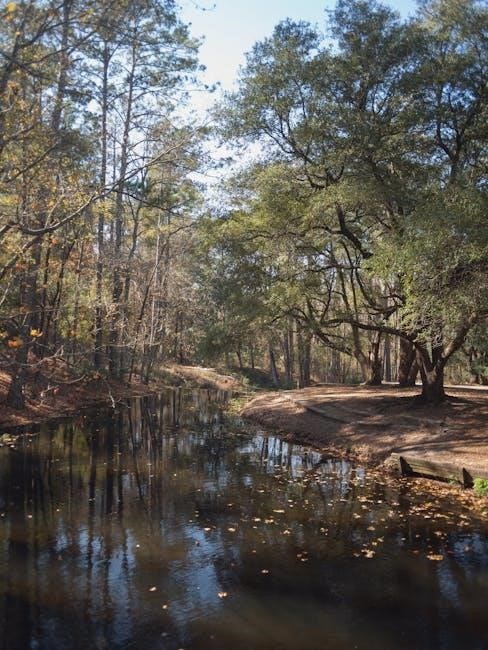
South Carolina boasts a remarkably diverse botanical landscape‚ necessitating a comprehensive plant identification guide. Understanding directional terms – south‚ northern‚ eastern – aids in regional flora comprehension.
Why Identify Plants?
Plant identification within South Carolina extends far beyond a simple hobby; it’s crucial for ecological understanding and responsible land stewardship. Knowing plant species allows for accurate assessment of habitat health‚ monitoring biodiversity‚ and tracking the spread of invasive species – a growing concern highlighted in recent reports.
Accurate identification is also vital for safety. Distinguishing between edible and poisonous plants‚ like recognizing Smilax versus Poison Ivy‚ can prevent harmful interactions. Furthermore‚ understanding plant communities informs conservation efforts‚ enabling targeted protection of rare or endangered flora. A solid South Carolina plant identification guide empowers citizens to contribute meaningfully to the preservation of the state’s natural heritage‚ fostering a deeper connection to the environment and promoting informed decision-making regarding land use and resource management.
Unique Flora of South Carolina
South Carolina’s diverse geography – coastal plains‚ piedmont‚ and mountains – supports an exceptionally rich and varied flora. This necessitates a detailed South Carolina plant identification guide to navigate its botanical complexity. The state is a transition zone‚ exhibiting species from both northern and southern ecosystems‚ creating unique combinations.
Notable examples include the prevalence of Palmetto‚ the state tree‚ and a significant concentration of longleaf pine savannas. Coastal areas feature salt-tolerant species‚ while the mountains harbor Appalachian endemics. Understanding these regional variations is key to accurate identification. Furthermore‚ the state’s history of agriculture and development has introduced both native and non-native species‚ adding layers of complexity. A comprehensive guide acknowledges these influences‚ providing a nuanced understanding of South Carolina’s botanical identity.

Common Trees of South Carolina
South Carolina’s forests are dominated by pines and hardwoods; a plant identification guide must cover these extensively. Recognizing species by leaf shape and bark is crucial.
Pines: Longleaf‚ Shortleaf‚ and Slash
South Carolina’s pine forests are ecologically and economically significant. A reliable plant identification guide must detail the distinctions between Longleaf‚ Shortleaf‚ and Slash pines. Longleaf pines (Pinus palustris) are characterized by exceptionally long needles‚ bundled in groups of three‚ and a distinctive pinecone with a prickle.
Shortleaf pines (Pinus echinata) possess shorter needles‚ also in bundles of two or three‚ and smaller cones lacking prickles. Slash pines (Pinus elliottii) exhibit needles in bundles of two or three‚ generally longer than Shortleaf‚ and cones with small prickles.
Distinguishing features include bark texture – Longleaf having thick‚ plated bark‚ while Shortleaf and Slash have smoother‚ reddish-brown bark. Needle length and cone morphology are key identifiers for accurate species determination using a comprehensive plant identification guide. Understanding these differences is vital for forest management and ecological studies within South Carolina.
Hardwoods: Oaks‚ Maples‚ and Hickories
South Carolina’s hardwood forests contribute significantly to its biodiversity‚ demanding a detailed plant identification guide. Oaks (Quercus spp.) are diverse‚ with lobed or entire leaves and acorns as fruit. White Oaks generally have rounded lobes‚ while Red Oaks exhibit pointed lobes. Maple trees (Acer spp.) are recognized by their opposite leaf arrangement and palmate venation.
Sugar Maples boast five-lobed leaves‚ while Red Maples have three to five lobes with serrated edges. Hickories (Carya spp.) feature compound leaves and produce nuts enclosed in a husk. Shagbark Hickory is easily identified by its peeling bark.
Leaf shape‚ bark texture‚ and fruit characteristics are crucial for accurate identification. A quality plant identification guide should include detailed illustrations and descriptions. Recognizing these hardwoods is essential for forestry‚ wildlife habitat assessment‚ and appreciating South Carolina’s natural heritage.
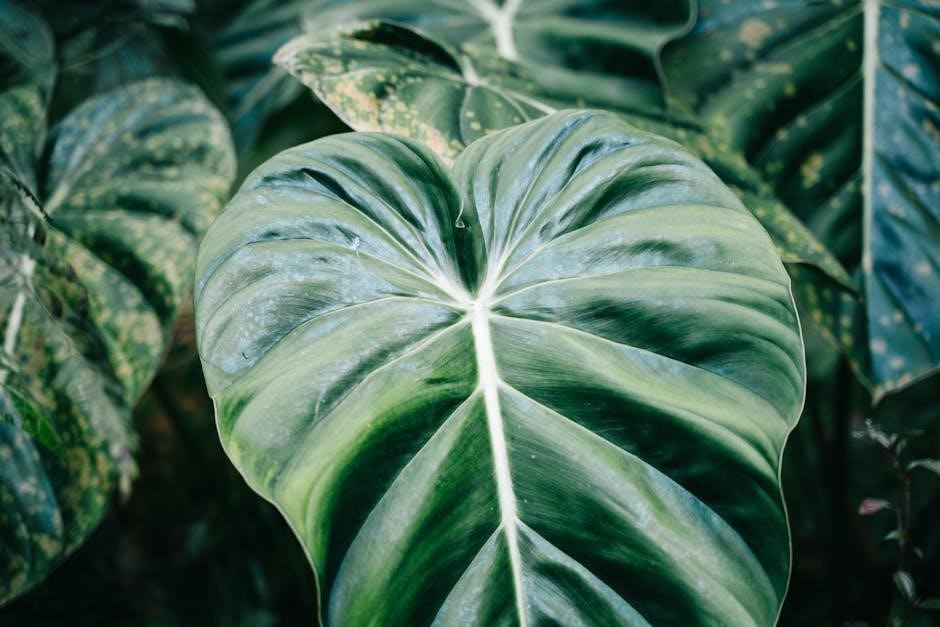
Identifying South Carolina Wildflowers
South Carolina’s wildflower diversity requires a focused plant identification guide. Seasonal blooms – spring ephemerals‚ summer displays‚ and fall color – present unique identification challenges for enthusiasts.
Spring Ephemerals: Trilliums and Bloodroot
Spring ephemerals are captivating wildflowers that briefly emerge and bloom in early spring‚ taking advantage of sunlight before the trees leaf out. A reliable South Carolina plant identification guide is crucial for recognizing these fleeting beauties.
Trilliums‚ with their distinctive three leaves and three petals‚ are a hallmark of the South Carolina spring woodland. Several species exist‚ varying in color from white to pink to crimson. Careful observation of leaf shape and petal color is key to accurate identification.
Bloodroot (Sanguinaria canadensis) is another iconic ephemeral‚ named for the reddish-orange sap exuded when the root is broken. It features a single white flower that quickly fades. Recognizing its unique basal leaves and early bloom time is essential.
These plants thrive in rich‚ moist forests and are indicators of healthy ecosystems. Responsible observation – avoiding trampling and collecting – is vital for their preservation. Utilizing a detailed field guide enhances the appreciation and understanding of these delicate spring treasures.
Summer Blooms: Black-Eyed Susans and Coneflowers
As the warmer months arrive‚ South Carolina’s meadows and fields burst into color with vibrant summer blooms. A comprehensive plant identification guide becomes invaluable for distinguishing between similar species. Two particularly recognizable wildflowers are Black-Eyed Susans and Coneflowers.
Black-Eyed Susans (Rudbeckia hirta) are easily identified by their bright yellow petals surrounding a prominent dark brown or black central cone. They are commonly found in open fields and along roadsides‚ providing a cheerful splash of color.
Coneflowers (primarily Echinacea purpurea in South Carolina) share a similar structure but typically exhibit purple or pink petals. Variations in petal length and cone shape can help differentiate between species. They attract pollinators like butterflies and bees.

Paying attention to leaf shape‚ stem characteristics‚ and overall plant height aids in accurate identification. These resilient wildflowers contribute significantly to the summer landscape and support local ecosystems.

Fall Color: Goldenrod and Asters
As summer fades‚ South Carolina’s landscapes transform with the arrival of autumn hues. A reliable plant identification guide is crucial for appreciating the subtle beauty of fall wildflowers. Goldenrod and Asters are prominent contributors to this seasonal display‚ often blooming simultaneously.
Goldenrod (various Solidago species) showcases clusters of tiny‚ bright yellow flowers atop erect stems. Often mistaken for ragweed‚ goldenrod is a valuable late-season food source for pollinators. Its plume-like appearance is quite distinctive.
Asters (various Symphyotrichum species) offer a range of colors‚ including purple‚ pink‚ and white. Their daisy-like flowers bloom in profusion‚ creating a vibrant carpet across fields and woodlands. Leaf shape and arrangement are key identification features.
Observing the arrangement of flowers and leaf characteristics will help distinguish between the numerous Aster species. These plants provide essential resources for wildlife preparing for winter.
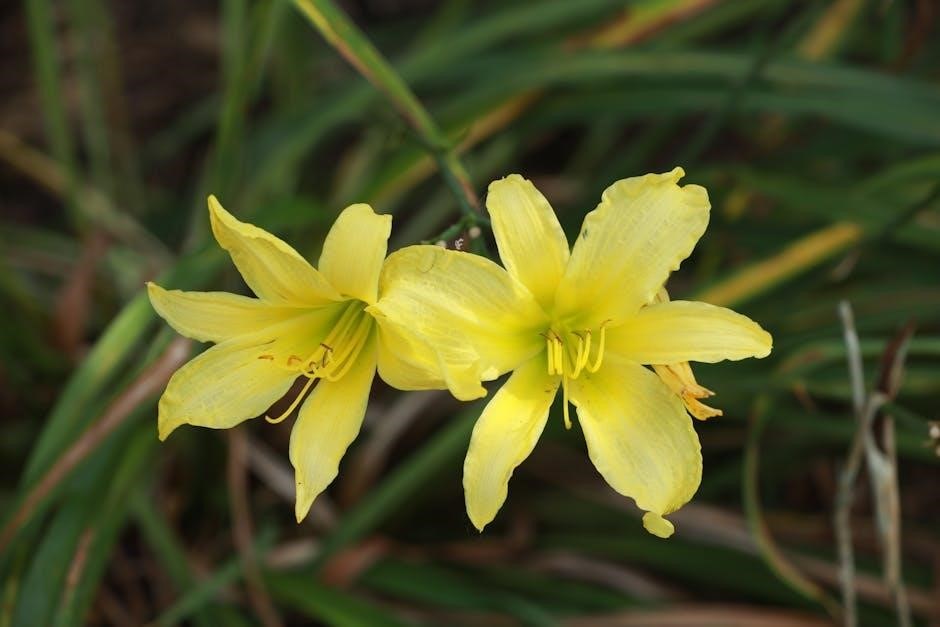
Shrubs and Vines to Recognize
A useful South Carolina plant identification guide must include common shrubs and vines. Recognizing Palmetto‚ Smilax‚ and Poison Ivy is vital for safety and ecological understanding.
Palmetto: South Carolina’s State Tree
Palmetto‚ specifically the Sabal palmetto‚ holds immense significance as South Carolina’s state tree. A crucial component of any South Carolina plant identification guide‚ it’s a fan-shaped palm native to the coastal plains and lowcountry. Identifying features include its robust‚ single trunk‚ often leaning‚ and the large‚ costapalmate leaves – meaning the leaf resembles a hand with a prominent central rib.
These palms thrive in moist environments‚ frequently found in swamps‚ along rivers‚ and in maritime forests. The palmetto’s resilience to salt spray and hurricane-force winds makes it a symbol of the state’s enduring spirit. Look for the distinctive‚ ringed pattern on the trunk created by the leaf bases. Mature palmettos produce clusters of small‚ black fruits‚ providing food for wildlife. Recognizing this iconic tree is fundamental to understanding the South Carolina landscape.
Smilax (Greenbriar) and Poison Ivy Identification
A vital component of any South Carolina plant identification guide is differentiating between harmless Smilax (Greenbriar) and the hazardous Poison Ivy. Both are vines‚ creating confusion; Smilax typically features thorns‚ aerial rootlets for climbing‚ and heart-shaped leaves with parallel veins. It often bears small‚ greenish-white flowers and eventually produces dark berries.
Poison Ivy‚ conversely‚ is characterized by “leaves of three‚ let it be!” – always presenting three leaflets. These leaflets can vary in shape but often have pointed tips. Unlike Smilax‚ Poison Ivy lacks thorns. It can grow as a vine or a shrub. Be cautious; urushiol oil causes allergic reactions. Learning to distinguish these vines is crucial for outdoor safety. Proper identification prevents unpleasant skin irritations while enjoying South Carolina’s natural beauty.

Resources for Plant Identification
South Carolina’s rich flora demands accessible resources. Comprehensive plant identification guides‚ online databases‚ and mobile apps empower enthusiasts to accurately name and learn about local species.
Field Guides Specific to South Carolina
Dedicated field guides are invaluable tools for South Carolina plant identification. These resources‚ often portable and durable‚ provide detailed descriptions‚ illustrations‚ and range maps tailored to the state’s unique flora. Look for guides focusing specifically on trees‚ wildflowers‚ or even coastal plants to narrow your search.
Consider “Wildflowers of the Carolinas” or similar regional publications. These guides typically categorize plants by family and feature clear photographs aiding visual identification. Pay attention to details like leaf shape‚ flower color‚ and stem characteristics described within. Newer editions often incorporate updated taxonomy and conservation status information.
Beyond wildflowers‚ specialized guides exist for trees and shrubs common to South Carolina’s diverse ecosystems. Remember to cross-reference information and utilize multiple resources for accurate identification‚ especially when encountering unfamiliar species. A good field guide is an investment in understanding and appreciating the natural world around you.
Online Databases and Apps
Complementing traditional field guides‚ numerous online databases and apps enhance South Carolina plant identification. These digital resources offer interactive keys‚ extensive image galleries‚ and often‚ user-submitted observations. iNaturalist‚ for example‚ allows users to photograph plants and receive identification suggestions from a community of experts.
The USDA Plants Database provides detailed information on plant distribution‚ characteristics‚ and conservation status. Similarly‚ university extension websites‚ like those from Clemson University‚ often feature plant identification resources specific to South Carolina. Mobile apps‚ such as PictureThis or PlantNet‚ utilize image recognition technology to suggest potential matches.
However‚ remember that app identifications aren’t always accurate. Always verify suggestions with reliable sources and consider factors like location and habitat. Combining digital tools with traditional field guides provides a robust approach to plant identification‚ fostering a deeper understanding of the state’s botanical diversity.
Dealing with Invasive Plant Species
South Carolina plant identification extends to recognizing harmful invasives. Accurate identification is crucial for reporting and effective control methods‚ protecting native ecosystems.
Common Invasive Plants in South Carolina
South Carolina’s diverse ecosystems are unfortunately vulnerable to invasive plant species‚ demanding diligent plant identification skills. Kudzu‚ often called “the vine that ate the South‚” is a highly aggressive legume smothering native vegetation. Chinese privet forms dense thickets‚ outcompeting native shrubs and altering wildlife habitats.
Japanese honeysuckle‚ a fragrant vine‚ aggressively climbs and spreads‚ disrupting natural plant communities. Tree-of-heaven‚ an adaptable tree‚ releases chemicals inhibiting the growth of surrounding plants. Cogongrass‚ a grass native to Asia‚ forms dense mats‚ increasing fire risk and reducing biodiversity. Recognizing these invaders is the first step towards effective management.

Proper identification‚ utilizing field guides and online resources‚ is paramount. Early detection and rapid response are vital to minimizing the ecological and economic damage caused by these non-native species. Reporting sightings to local authorities aids in statewide control efforts.
Reporting and Control Methods
Effective management of invasive plants in South Carolina relies on both reporting and targeted control methods. Documenting invasive species locations is crucial; report sightings to the South Carolina Invasive Species Council or your local Clemson Extension office. Accurate plant identification is key for effective reporting.
Control strategies vary depending on the species and infestation size. Manual removal‚ like hand-pulling‚ is effective for small infestations‚ but requires consistent effort. Herbicides can provide broader control‚ but must be applied carefully following label instructions to minimize environmental impact. Mechanical methods‚ such as mowing or cutting‚ can suppress growth but rarely eradicate the plant.
Biological control‚ utilizing natural enemies‚ is an emerging strategy; Integrated pest management‚ combining multiple approaches‚ offers the most sustainable long-term solution. Always prioritize preventative measures to limit further spread.